Guide · Updated April 2026
Best Regions to Buy Property in Italy — Compared
Each Italian region offers a fundamentally different proposition. Here's how they stack up for international buyers.
1. Tuscany — the classic choice
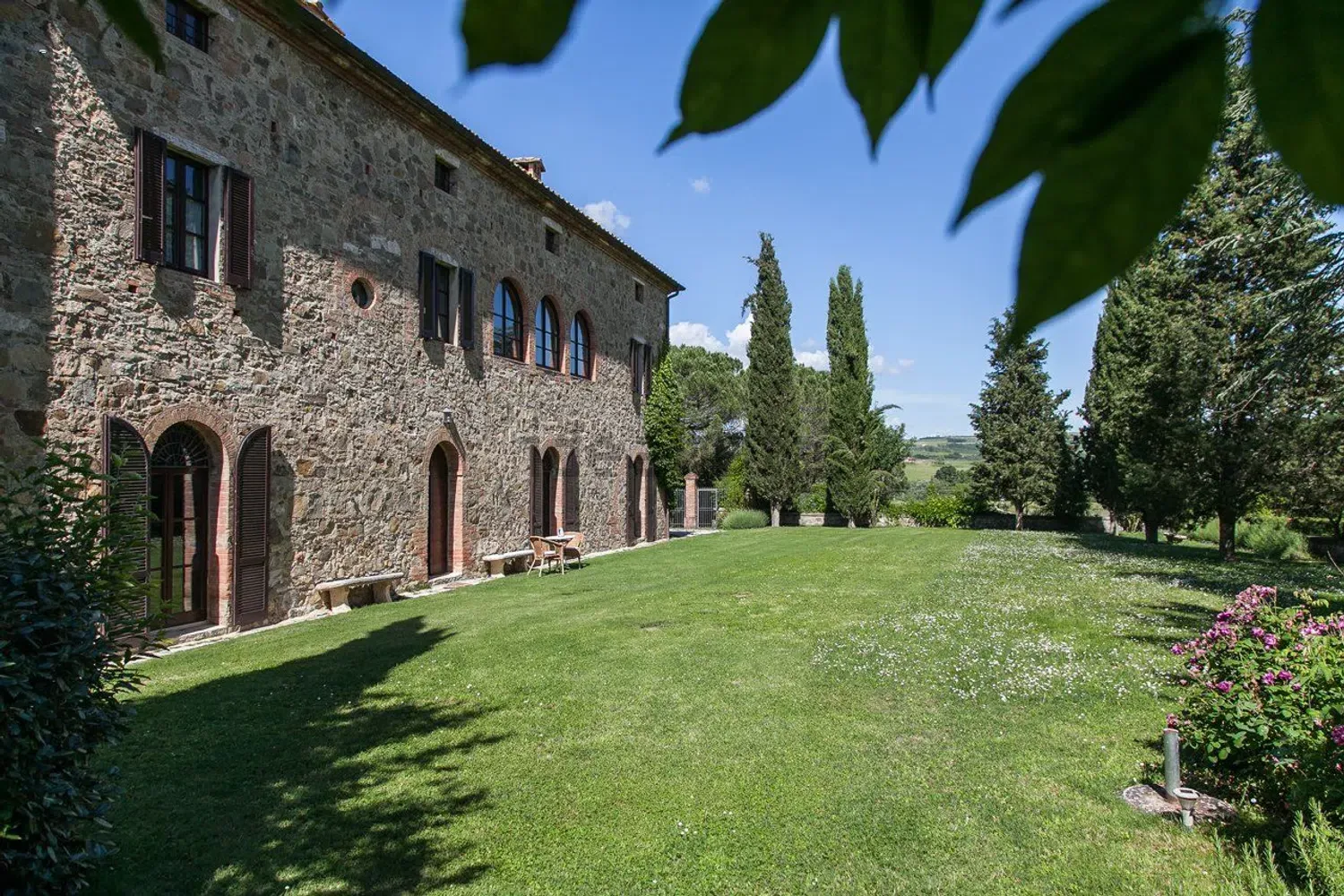
Tuscany remains the most sought-after region for international buyers, particularly around the golden triangle of Florence, Siena, and the Chianti hills. The appeal is timeless: rolling vineyards, medieval hilltop towns, world-class food and wine, and excellent infrastructure.
Property types
Restored farmhouses (casali), stone villas with olive groves, wine estates, and historic palazzi in town centers. The restoration market is well-developed, with experienced builders and architects.
Price range
€300K–€500K for a small restored farmhouse in secondary locations. €600K–€1.5M for a quality property in Chianti, Val d'Orcia, or Lucca area. €2M+ for premium estates with land, pools, and guest houses.
Considerations
- Highest prices per sqm of any rural region — but strong resale value
- Excellent rental yields (5–8% gross in popular areas)
- Well-connected: Florence and Pisa airports, high-speed rail
- Large established expat community (can be a pro or con)
2. Puglia — best value, rising fast
Puglia has emerged as the fastest-growing region for international property buyers. The combination of stunning coastline, authentic food culture, lower prices, and the unique masseria architecture creates a compelling proposition.
Property types
Masserias (fortified farmhouses), trulli (conical stone houses in Alberobello area), seaside villas, and town houses in Lecce, Ostuni, and Monopoli. Unrenovated masserias offer the biggest upside.
Price range
€150K–€300K for a trullo or small town house. €400K–€800K for a restored masseria. €1M–€3M for premium masserias with pools and olive groves. Prices are 40–60% lower than equivalent Tuscan properties.
Considerations
- Best value-for-money in Italy right now — but prices are rising 8–12% annually
- Qualifies for the 7% retiree flat tax (Southern Italy incentive)
- Bari and Brindisi airports with growing international connections
- Longer travel time from Northern Europe than Tuscany
- Less developed renovation infrastructure — choose contractors carefully
3. Liguria — the Italian Riviera
Liguria offers the Italian Riviera lifestyle — colorful coastal villages, terraced hillsides, and proximity to both the French Riviera and Milan. The Cinque Terre and Portofino are the most famous, but value lies in less-known towns like Sestri Levante, Levanto, and the inland villages.
Property types
Coastal apartments with sea views, hillside villas, village houses, and the occasional grand villa. Land is scarce, so properties tend to be smaller and more vertical than in Tuscany or Puglia.
Price range
€200K–€500K for a renovated apartment with views. €500K–€1.5M for a villa with garden. Portofino/Santa Margherita commands a premium (€5K–€15K/sqm). Inland villages offer bargains at €1K–€2K/sqm.
Considerations
- Exceptional lifestyle — year-round mild climate, seafood, proximity to France
- Strong rental demand from Italian and international tourists
- Easy access: Genoa and Nice airports, Milan 2h by car
- Steep terrain means parking and access can be challenging
- Smaller properties than other regions for the same budget
4. Sardinia — beaches and privacy
Sardinia offers some of the Mediterranean's finest beaches, a unique cultural identity, and a range from ultra-luxury (Costa Smeralda) to affordable rural retreats. It's the choice for buyers who prioritize natural beauty and privacy.
Property types
Coastal villas, stazzi (traditional granite farmhouses), modern beach apartments, and luxury developments along the Costa Smeralda. The interior offers large rural properties at accessible prices.
Price range
€150K–€400K for inland properties or apartments in smaller coastal towns. €500K–€1.5M for quality coastal villas. €2M–€10M+ on the Costa Smeralda and premium northeast coast.
Considerations
- Qualifies for the 7% retiree flat tax
- Seasonal market — most activity from May to October
- Lower year-round rental yields than mainland (except premium areas)
- Limited flight connections in winter
- A car is essential — limited public transport
5. Umbria — Tuscany without the premium
Umbria — the green heart of Italy — offers the same rolling hills, medieval towns, and food culture as Tuscany, at a 30–50% discount. Perugia, Assisi, Orvieto, Spoleto, and Todi are the main draws.
Property types
Stone farmhouses, restored country houses, village apartments, and small estates with olive groves. Similar architecture to Tuscany but less renovated — meaning more opportunities for value creation.
Price range
€150K–€350K for a restored farmhouse. €400K–€800K for a premium property with land and pool. €1M+ is rare — Umbria is fundamentally a value market.
Considerations
- Best value for the "Tuscan lifestyle" without Tuscan prices
- Less touristy — more authentic daily life
- Perugia airport has limited connections; Rome (2h) or Florence (2.5h) are alternatives
- Smaller expat community — more immersion, less hand-holding
- Excellent food and wine scene (Sagrantino, truffles, Norcia meats)
6. Price and yield comparison
| Region | Avg. price/sqm (rural) | Rental yield | 7% retiree tax | Airport access |
|---|---|---|---|---|
| Tuscany | €2,000–€4,000 | 5–8% | No | Excellent |
| Puglia | €1,000–€2,500 | 4–7% | Yes | Good |
| Liguria | €2,500–€5,000 | 4–6% | No | Very good |
| Sardinia | €1,500–€4,000 | 3–6% | Yes | Seasonal |
| Umbria | €800–€2,000 | 3–5% | No | Limited |
Prices and yields are indicative and vary significantly by micro-location, property condition, and market timing.
Not sure which region fits?
Tell us your priorities and we'll match you with the right properties in the right locations.
Join the private list